
7 Ways to Transform Your Office in 2026
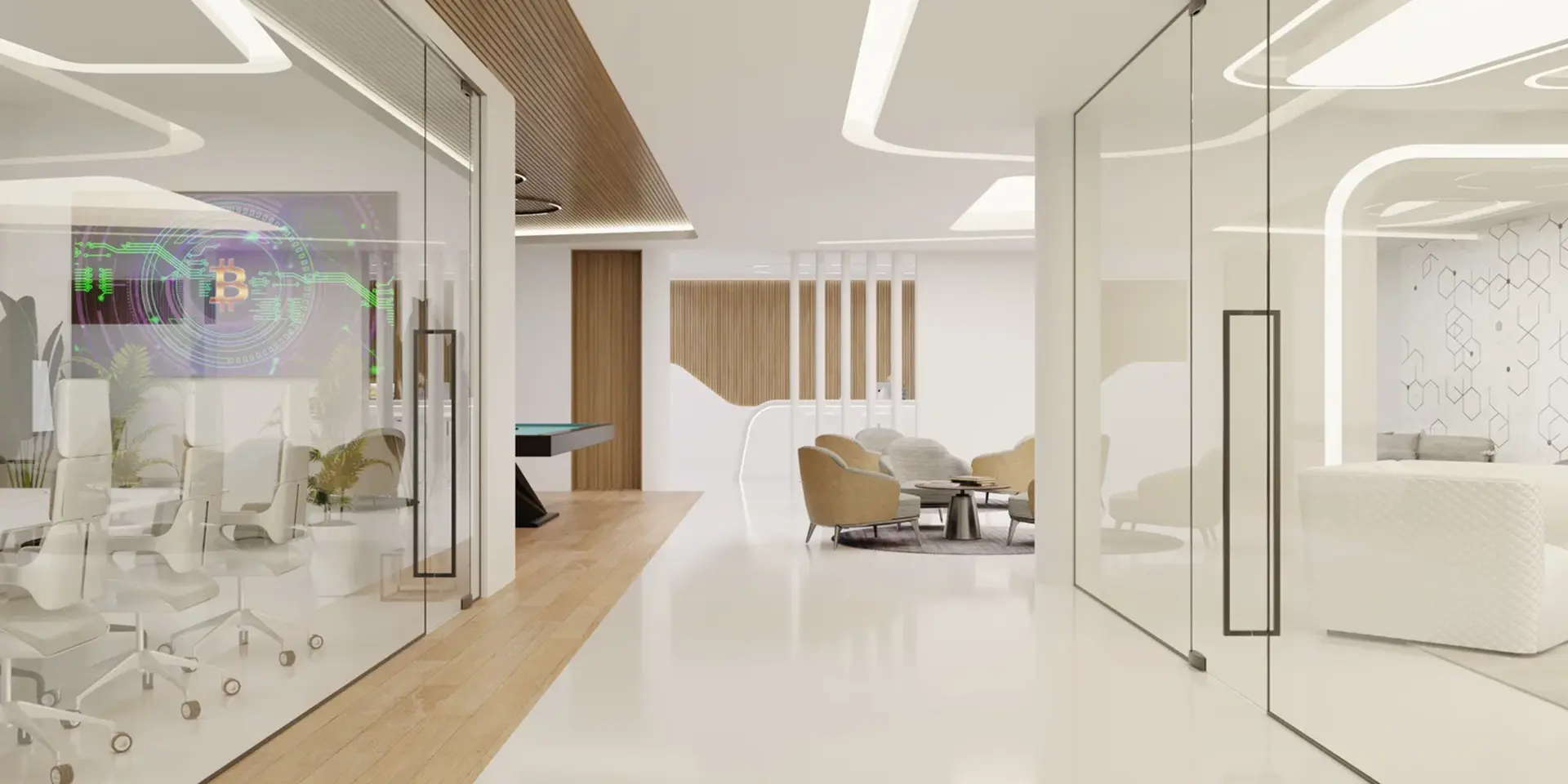
An office should make work easier. It should give people enough space to focus, talk with their team, answer calls, and move around without feeling cramped. Many offices still use old layouts that are not suitable for the way people work today. Rows of desks, bright lights, bad sound control, and meeting rooms that are not used can make the workplace tiring. The good thing is that you do not always need to rebuild the whole office. A few sensible changes can improve the space and make it more useful. Here are 7 ways to transform your office in 2026 without adding things your team does not need.
Why Does Your Office Need an Update?
Work habits have changed. Some employees are in the office everyday. Others have a hybrid schedule. Teams need space to make calls, meet, focus and have casual conversations. An outdated office layout can lead to:
Too much noise
Inefficient use of space
Uncomfortable seating
Dark work areas
Lack of privacy
Empty or overcrowded rooms
A better office layout can help your team feel more comfortable and make daily work less stressful.
1. Make Space for Different Types of Work
Not every employee works in the same way. Some people need silence. Others need to discuss ideas with their team. A single open room may not support both. Create separate areas for different tasks.
Quiet desks for focused work
Open tables for team discussions
Small rooms for private calls
Meeting rooms for clients
Relaxed seating for short breaks
Shared areas for quick conversations
For instance, your sales team might spend more time on calls and your accounts team might need a quieter section. Plan the office around actual work habits. Do not copy a layout simply because it looks good online.
2. Fix the Lighting
Bad lighting can make people feel tired within a few hours. It may also cause headaches, eye strain, and screen glare. First natural light. Clean windows and avoid putting large cupboards in front of them. Glass partitions can help channel light into darker areas of the office. You can also use:
Desk lamps
LED ceiling lights
Soft lights in break areas
Brighter lights above workstations
Motion-sensor lights in storage rooms
Adjustable lights in meeting rooms
Do not use the same type of lighting everywhere. A reception area, meeting room, desk zone, and staff lounge all need different levels of brightness.
3. Replace Uncomfortable Furniture
A chair may look stylish and still be uncomfortable after two hours. That is why office furniture should support the body, not just match the décor. Look for chairs with:
Back support
Adjustable height
Comfortable armrests
Stable seat
Easy movement
Desks should have plenty of space for laptops, monitors, documents and cables. Employees should not need to lean forward or shrug their shoulders to type. You can also add a few sit-stand desks. These allow people to change position during the day instead of sitting for long hours. Before ordering furniture, ask employees what causes them discomfort. Their answers may save you from buying the wrong items.
4. Use Technology That Solves Real Problems
Office technology should save time. It should not make simple tasks more confusing. Useful additions might be:
Meeting room booking screens
Video call equipment
Wireless charging points
Smart entry systems
Digital visitor check-in
Better Wi-Fi coverage
Shared presentation screens
For example, if meeting rooms are frequently double-booked, a room booking screen can solve that problem. If teams struggle during online meetings, better cameras and microphones may help. Do not fill the office with gadgets that no one uses. Choose technology based on common problems your staff face.
5. Add Plants and Natural Materials
A few plants can change the feel of an office. They bring colour into dull corners and make the space feels less cold. You can use:
Small plants on desks
Tall plants near windows
Green walls in reception areas
Wooden shelves
Stone-look surfaces
Cotton or fabric seating
Natural shades of brown, green, and beige
Choose plants that suit indoor conditions. Some plants need very little care and work well in offices. Fajr Interiors can help businesses choose finishes, furniture, lighting, and materials that suit the space without making the office look overloaded. Keep the design simple. Too many plants or decorative pieces can make a small office feel crowded.
6. Reduce Noise
Noise is one of the biggest problems in open offices. Calls, meetings, footsteps, and general conversation can make it hard for people to focus. You can reduce noise with:
Carpets
Fabric chairs
Acoustic wall panels
Ceiling panels
Desk screens
Curtains
Closed call rooms
Meeting pods
Soft materials absorb sound better than glass, metal, and hard flooring. Privacy also matters. Employees may need a closed room for a personal call, interview, or client discussion. A good office does not need to be fully open or fully closed. It should have a mix of both.
7. Show Your Brand Without Overdoing It
Your office should feel connected to your business. That does not mean placing your logo on every wall. Use your brand through:
Selected colours
Reception signage
Wall graphics
Artwork
Furniture details
Meeting room names
Display shelves
A design company may use brighter colours and creative wall art. A law office might go for more subdued colors and private meeting rooms, while a wellness brand might opt for wood, plants and soft lighting. Think about how you want clients and employees to feel when they enter the office. Your office should look like your business, but it should still feel comfortable.
Office Update Checklist
Area: Layout
What to Review: Quiet zones, meeting rooms, team areas
Area: Chairs and desks
What to Review: Comfort, size, and support
Area: Lighting
What to Review: Daylight, glare, and dark corners
Area: Technology
What to Review: Calls, Wi-Fi, screens, and booking
Area: Noise
What to Review: Echo, calls, and privacy
Area: Storage
What to Review: Clutter and unused items
Area: Design
What to Review: Colours, materials, and branding
Frequently Asked Questions
1. How can I update my office on a small budget?
Start with paint, lighting, desk placement, plants, storage, and a few better chairs.
2. Do I have to redo my entire office?
No. You can improve one area at a time and spread the work out over different stages.
3. What should I change first?
Fix the problems that affect daily work, such as poor lighting, noise, uncomfortable chairs, or lack of meeting space.
4. How long does it take to refresh an office?
It depends on the size of the office and the amount of work. Small changes can take days, larger work can take several weeks.
5. How do I choose an office interior company?
Check its past work, material quality, planning process, timelines, and experience with offices similar to yours.
